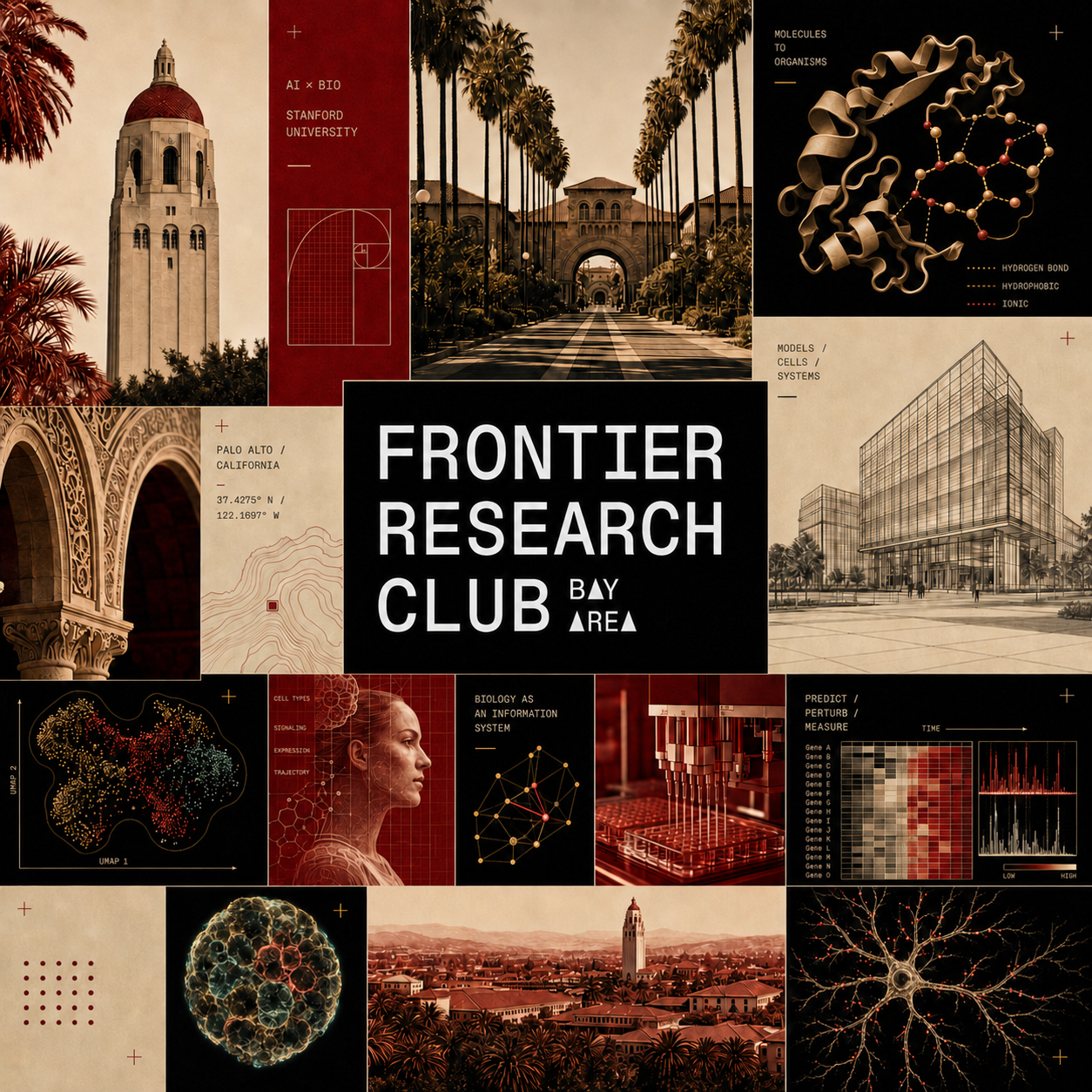
Bay Area Frontier Research Club #20 | AI X Bio: Turning Biological Systems into New Tools & Therapies (dinner + paper discussion @ Stanford)
About This Event
Tonight’s two talks begin with understanding biological machinery at the molecular level—and end with finding ways to make that machinery do something new.
Naima Sharaf’s lab studies how lipoproteins enable nutrient acquisition and transport in Borrelia burgdorferi, the bacterium that causes Lyme disease. By understanding how these systems work at molecular resolution, her lab has been able to build with them. LipoCatch uses a lipoprotein scaffold to attach other proteins, while LipoLoad uses one to package molecular cargo.
Jason Sheltzer’s lab explores a very different system: MDR1, the drug-efflux pump that allows cancer cells to eject chemotherapies and contributes to multidrug resistance. Rather than trying to block MDR1, his team exploits its activity. PAC-1 is a clinical-stage small molecule that acts as an iron chelator. MDR1 exports iron-bound PAC-1, progressively depleting intracellular iron and making MDR1-high cancer cells selectively vulnerable. The resistance mechanism becomes the kill mechanism.
Two very different biological systems, built around the same scientific move: understand the machinery precisely enough to point it somewhere new.
Dinner comes first, followed by two concise talks with extended Q&A. The evening concludes with a guided discussion connecting the ideas across both presentations and questions from the room.
The Frontier Research Club is a curated forum for rigorous, technical discussion at the frontier of AI and science. We convene researchers from frontier labs, Stanford, Berkeley and teams building in production to examine concrete work—papers, methods and results—with particular attention to assumptions, evaluation methodology, failure modes and what would count as convincing evidence.
Each session features two or three talks selected for rigor and discussion value. Presentations are intentionally brief so that the majority of the evening can be reserved for questions, critique and discussion. Papers and supporting materials are shared in advance to establish a high baseline for the room.
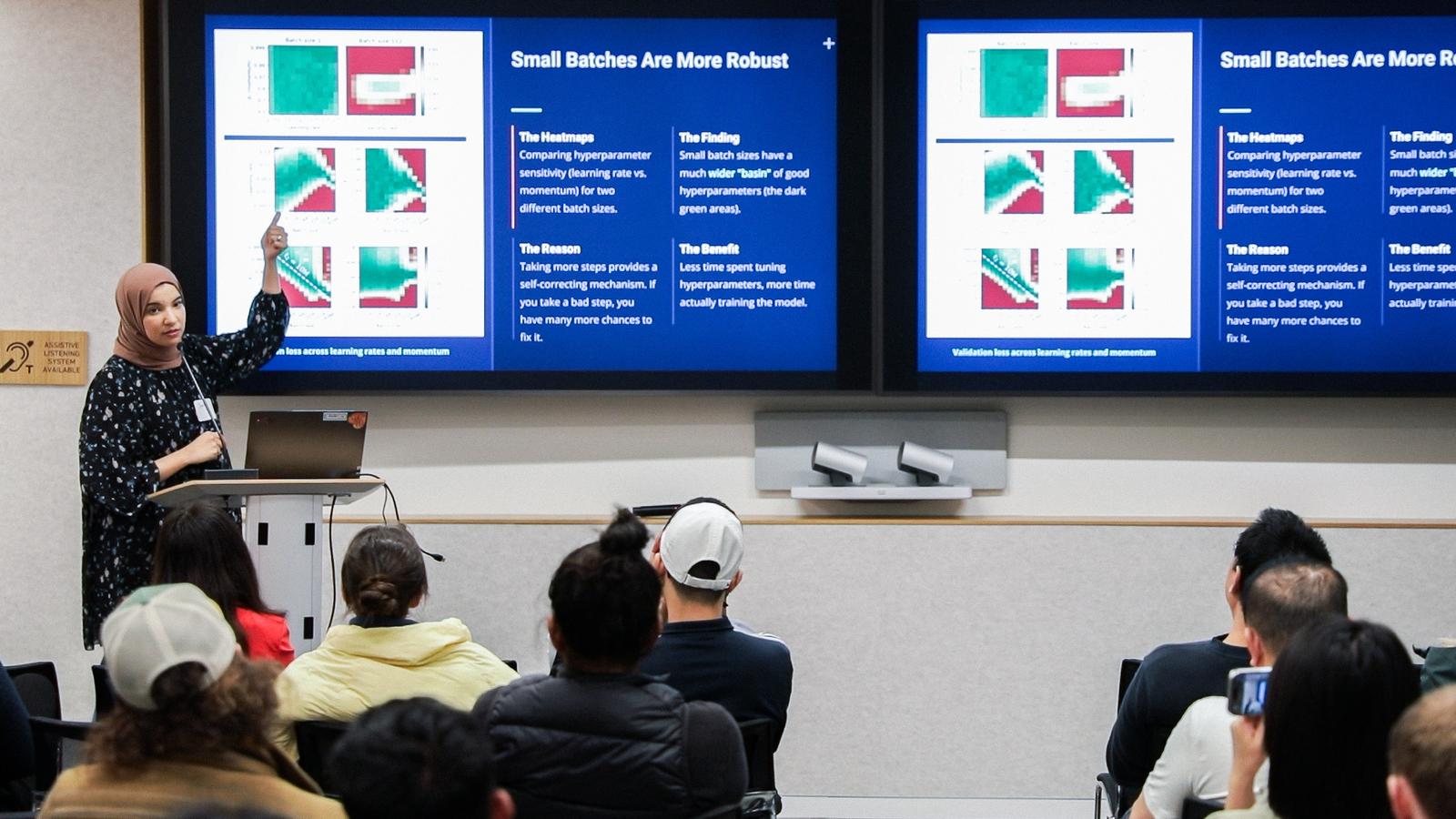
Agenda
5:30 PM — Doors open
5:30–6:30 PM — Networking + light dinner
6:30–7:00 PM — Talk 1 + Q&A
7:00–7:30 PM — Talk 2 + Q&A
7:30–7:50 PM — Guided discussion with both speakers
7:50–8:30 PM — Networking
Presenters & topics
Talk 1 — Building With Bacterial Lipoproteins
How lipoproteins move nutrients in Borrelia burgdorferi, resolved at the molecular level—and what that understanding makes possible.
LipoCatch attaches other proteins to a lipoprotein scaffold. LipoLoad packages molecular cargo inside one. Both platforms emerged from first understanding how the underlying biological system works.
Dr. Naima Gabriela Sharaf is an assistant professor at Stanford University. Her laboratory pursues two complementary research areas. First, it investigates the molecular mechanisms by which bacterial lipoproteins mediate nutrient biosynthesis and transport in Borrelia burgdorferi, the causative agent of Lyme disease. Second, the laboratory develops novel ways to use bacterial lipoproteins as components of biomaterials. These efforts include the LipoCatch and LipoLoad platforms, which enable the modular attachment of proteins and the encapsulation of molecular cargo, respectively.
Talk 2 — Transporter Hijacking: A New Approach to Treat Drug-Resistant Cancers
Multidrug resistance remains one of the major barriers to successful cancer therapy. But what if the machinery that allows cancer cells to evade treatment could instead become their vulnerability?
Jason Sheltzer will present recent work from his lab characterizing PAC-1, a clinical-stage small molecule that preferentially kills cancer cells expressing high levels of the multidrug-resistance transporter MDR1 (ABCB1).
Rather than overcoming or inhibiting MDR1, the work explores another possibility: hijacking the transporter itself and turning a classic mechanism of chemotherapy resistance into a therapeutic liability. PAC-1 acts as an iron chelator. MDR1-mediated export of iron-bound PAC-1 progressively depletes the cell of iron, selectively killing cancer cells with high MDR1 expression.
The work raises a broader question for cancer drug development: can the mechanisms tumors evolve to survive therapy be exploited to selectively destroy them?
Jason Sheltzer, PhD is Assistant Professor at Stanford University School of Medicine. The Sheltzer Lab studies cancer genetics and therapeutics, with a particular interest in understanding the true mechanisms of action of anticancer drugs and identifying vulnerabilities created during tumor evolution. He moved his lab to Stanford from Yale in 2025 and is a Damon Runyon scientist.
Guided Discussion
Both speakers return to the stage for a joint discussion led by Aaran Vijayakumaran of Stanford Biochemistry.
The conversation will connect the ideas across both talks before opening into questions and discussion with the room.
Want to present your work?
Frontier Research Club is built around researchers willing to put concrete work in front of a technically serious room.
If you have a research paper you would like to discuss at an upcoming session, submit it for consideration:
Submit your paper here.
Who should attend
Experimental biologists working across single-cell biology, perturbation screens, functional genomics and wet-lab systems
Computational biologists and bioinformaticians
ML researchers working with biological data, including foundation models, generative models, causal inference and benchmarking
Drug-discovery and translational teams from biotechnology and pharmaceutical companies
Research engineers and laboratory-automation teams building the layer between the model and the bench
Founders building in AI × bio and the investors backing them
Capacity is limited.
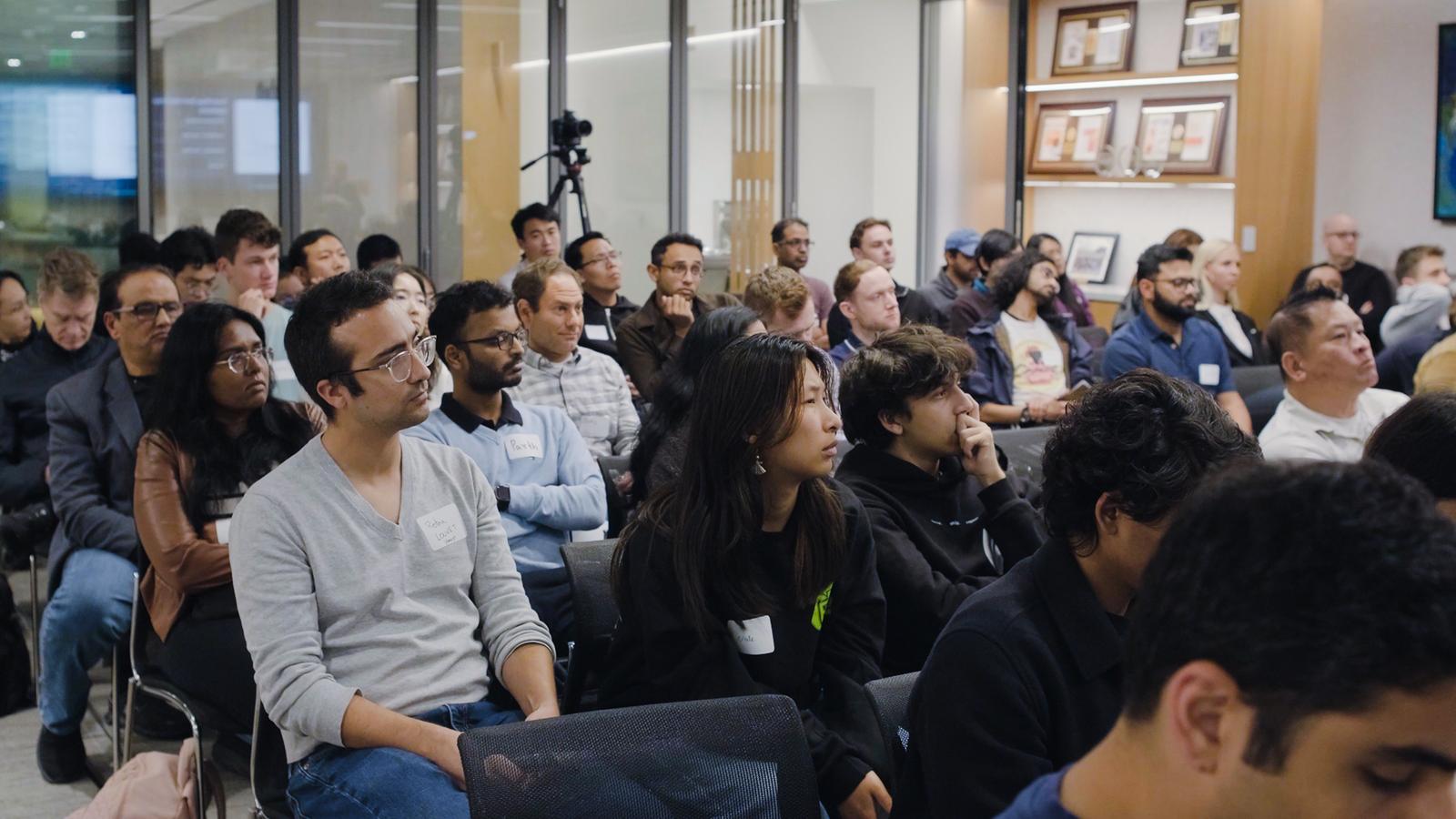
We will take photos and short video clips for event recap and promotion. By attending, you consent to being photographed and recorded, and to the use of those images and clips by the organizers on social media and other event marketing channels.
🌐 Connect with Frontier Research Club
Luma Calendar: luma.com/frontiersyndicate
YouTube: /FrontierResearchClub
LinkedIn: /frontier-research-club
Instagram: @frontierresearchclub
Email: kristopher@frontiersyndicate.vc
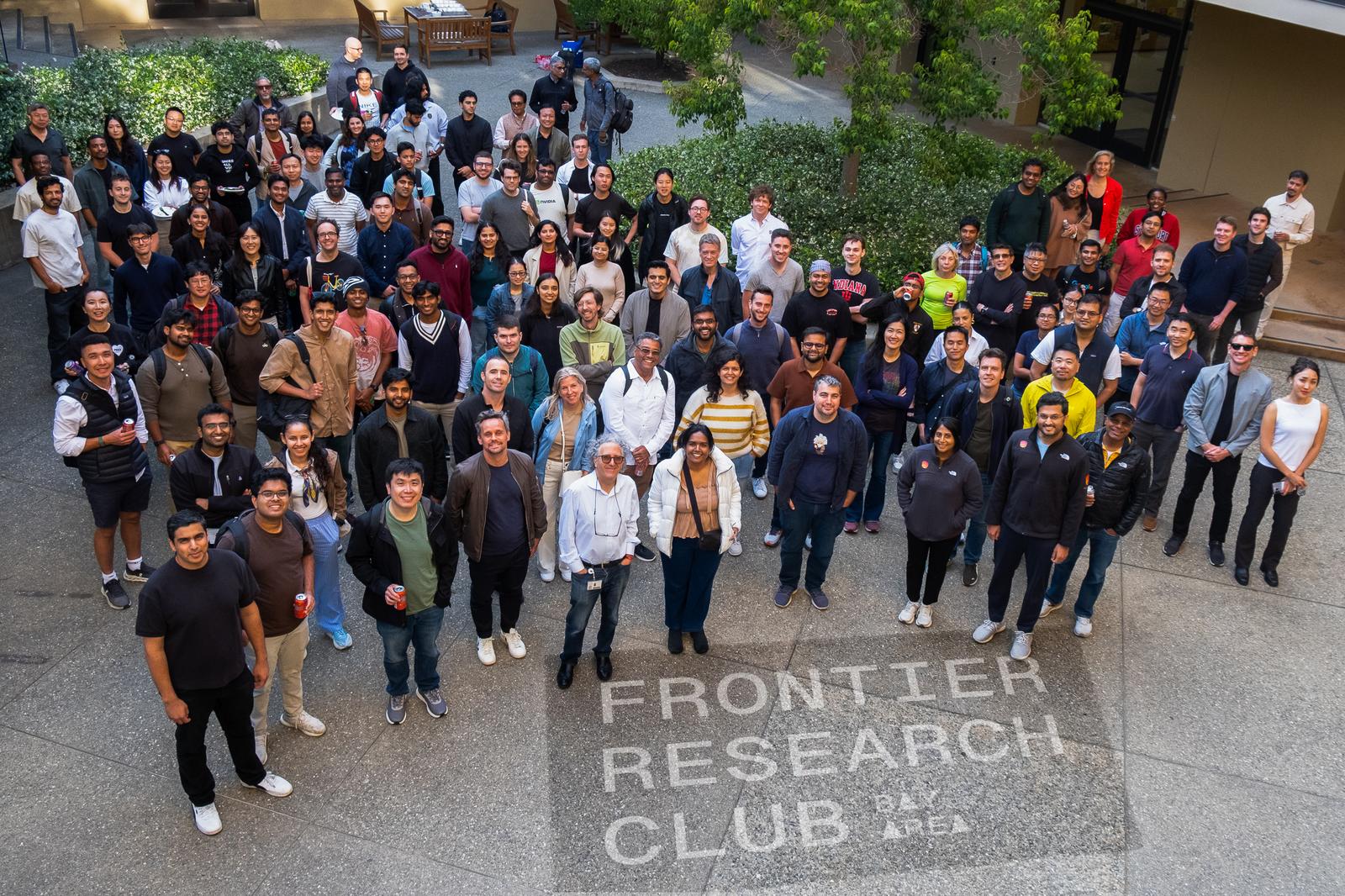
Hosted by
The Frontier Syndicate is a venture community connecting frontier-technology researchers, builders and investors through curated convenings and early-stage capital.
Across the Bay Area, we produce a recurring series of research forums, builder nights and intimate investor dinners—and back exceptional companies emerging from the laboratories, communities and technical networks we convene.


Location
Get a free growth analysis for your company
See how your website, messaging, and go-to-market strategy stack up, in minutes.
Get My Free AnalysisAre you the organizer?
Get a private analytics link , see how many people discover this event via Mimetic.